DigitalXForce

Home » Frameworks

Supporting 50+ Global Regulatory Frameworks and Standards

DigitalXForce tests each control and maps it to every framework that requires it, so one tested control reports its status to all of those frameworks without manual evidence collection. This page shows the most requested frameworks. The full list is available on request.
ISO 27001 framework logo
ISO 27001

ISO 27001 is an internationally recognized cybersecurity framework developed by the International Organization for Standardization (ISO) to provide guidance on establishing, implementing, maintaining, and continually improving an Information Security Management System (ISMS).
SOC 2 framework logo

SOC 2

SOC 2, developed by the American Institute of Certified Public Accountants (AICPA), focuses on the Trust Services Criteria: Security, Availability, Processing Integrity, Confidentiality, and Privacy. It provides structured guidance for organizations—especially those offering cloud-based services—on establishing controls that ensure data is securely managed.
NIST 800-171 (Special Publication 800-171) framework logo

NIST 800-171 (Special Publication 800-171)

NIST 800-171 (Special Publication 800-171) is a cybersecurity framework developed by the National Institute of Standards and Technology (NIST) to provide mandatory guidance for protecting Controlled Unclassified Information (CUI) in nonfederal systems and organizations.
The Health Insurance Portability and Accountability Act (HIPAA) framework logo

The Health Insurance Portability and Accountability Act (HIPAA)

The Health Insurance Portability and Accountability Act (HIPAA) sets national standards for protecting the confidentiality, integrity, and availability of health information. It applies to covered entities (like healthcare providers and insurers) and business associates that handle ePHI on their behalf.

The Payment Card Industry Data Security Standard (PCI DSS) framework logo
The Payment Card Industry Data Security Standard (PCI DSS)

The Payment Card Industry Data Security Standard (PCI DSS) is a global security framework developed to protect payment card data by setting technical and operational standards for organizations that store, process, or transmit cardholder information.
GDPR-L1 (General Data Protection Regulation Level 1) framework logo

GDPR-L1 (General Data Protection Regulation, Level 1)
GDPR-L1 (General Data Protection Regulation, Level 1) is a Level 1 compliance framework based on the EU General Data Protection Regulation, designed to establish foundational privacy controls for organizations handling personal data within or related to the EU. GDPR-L1 is one of the two DigitalXForce control sets built on the EU General Data Protection Regulation, and the regulation itself is a single law that does not define levels.
GDPR-L2 (General Data Protection Regulation Level 2) framework logo

GDPR-L2 (General Data Protection Regulation, Level 2)

GDPR-L2 (General Data Protection Regulation, Level 2) is an intermediate compliance framework that builds on foundational GDPR requirements by embedding stronger governance, risk management, and operational privacy controls across the data lifecycle. GDPR-L2 is the second of the two DigitalXForce control sets built on the EU General Data Protection Regulation, and the regulation itself is a single law that does not define levels.
NIST Cybersecurity Framework (CSF) 2.0 framework logo

NIST Cybersecurity Framework (CSF) 2.0

The NIST Cybersecurity Framework (CSF) 2.0 is a voluntary framework published by the National Institute of Standards and Technology (NIST) to help organizations of any size manage and reduce cybersecurity risk. It organizes outcomes into six functions: Govern, Identify, Protect, Detect, Respond and Recover.
EU AI Act framework logo

EU AI Act

The EU AI Act (Regulation (EU) 2024/1689) is a European Union law that regulates artificial intelligence systems by risk level, with the strictest obligations placed on high-risk systems and a ban on practices judged to carry unacceptable risk. It applies to providers and deployers of AI systems that are placed on the EU market or whose output is used in the EU.
CMMC-FOUNDATIONAL (L1) framework logo

CMMC-FOUNDATIONAL (L1)

CMMC-FOUNDATIONAL (L1) framework establishes essential cybersecurity practices that organizations must implement to protect Federal Contract Information (FCI) and demonstrate basic cyber hygiene when working with the DoD.
CMMC-ADVANCED (L2) framework logo

CMMC-ADVANCED (L2)

CMMC-ADVANCED (L2) framework establishes rigorous cybersecurity practices that organizations must implement to protect Controlled Unclassified Information (CUI) and demonstrate mature cybersecurity capabilities when handling sensitive defense-related information.
Health Information Trust Alliance (HITRUST) framework logo
Health Information Trust Alliance (HITRUST)

Health Information Trust Alliance (HITRUST) framework is a cybersecurity framework developed specifically for the healthcare industry to provide standardized guidance on managing and reducing cybersecurity risks related to protected health information (PHI) and other sensitive healthcare data.
CIS (Center for Internet Security) framework logo

CIS (Center for Internet Security)

CIS (Center for Internet Security) is a cybersecurity framework developed by a global community of cybersecurity experts to provide practical, actionable guidance on managing and reducing cybersecurity risks.
FedRAMP (Federal Risk and Authorization Management Program) framework logo

FedRAMP (Federal Risk and Authorization Management Program)

FedRAMP (Federal Risk and Authorization Management Program) is a cybersecurity framework developed by the U.S. General Services Administration (GSA) to provide standardized guidance for managing and reducing cybersecurity risks associated with cloud computing services used by federal agencies.
The Secure Controls Framework (SCF) framework logo

The Secure Controls Framework (SCF)

The Secure Controls Framework (SCF) is a risk- and control-based cybersecurity and privacy framework designed to help organizations implement, manage, and map security and compliance requirements across multiple regulations and standards.
The Federal Information Security Modernization Act (FISMA) framework logo

The Federal Information Security Modernization Act (FISMA)

The Federal Information Security Modernization Act (FISMA) mandates that federal agencies—and organizations working with them—implement information security programs.
Minimum Acceptable Risk Standards for Exchanges (MARS-E) framework logo

Minimum Acceptable Risk Standards for Exchanges (MARS-E)

The Minimum Acceptable Risk Standards for Exchanges (MARS-E) is a framework established by the Centers for Medicare & Medicaid Services (CMS). It provides baseline security and privacy requirements for organizations operating health insurance exchanges, especially those handling federal tax information (FTI) and personally identifiable information (PII).
The Authorization to Operate Risk Criteria Annual Maturity and Performance Evaluation ( framework logo

The Authorization to Operate Risk Criteria: Annual Maturity and Performance Evaluation (ARC-AMPE)

The Authorization to Operate Risk Criteria: Annual Maturity and Performance Evaluation (ARC-AMPE) is a CMS-driven cybersecurity and privacy assessment model. It provides a structured methodology for evaluating the maturity, effectiveness, and performance of security and privacy programs in systems that interact with Centers for Medicare & Medicaid Services (CMS).

The Gramm-Leach-Bliley Act (GLBA) framework logo

The Gramm-Leach-Bliley Act (GLBA)

The Gramm-Leach-Bliley Act (GLBA), also known as the Financial Services Modernization Act, mandates that financial institutions implement controls to safeguard non-public personal information (NPI). It applies to banks, credit unions, insurance companies, and any organization significantly involved in offering financial products or services.
The Saudi Arabian Monetary Authority Cybersecurity Framework (SAMA CSF) framework logo
The Saudi Arabian Monetary Authority Cybersecurity Framework (SAMA CSF)

The Saudi Arabian Monetary Authority Cybersecurity Framework (SAMA CSF) is a risk-based cybersecurity framework developed to strengthen the resilience of Saudi Arabia’s financial sector by guiding institutions in protecting digital assets and managing cyber risks effectively.
The National Electronic Security Authority (NESA) framework logo

The National Electronic Security Authority (NESA)

The National Electronic Security Authority (NESA) is a national cybersecurity standard developed to protect the UAE’s critical information infrastructure by guiding organizations in implementing strong, risk-based security controls.

The Federal Financial Institutions Examination Council (FFIEC) framework logo
The Federal Financial Institutions Examination Council (FFIEC)

The Federal Financial Institutions Examination Council (FFIEC) is a risk-based cybersecurity assessment tool designed to help financial institutions identify cybersecurity risks and improve their ability to prevent, detect, and respond to cyber threats.
The Digital Operational Resilience Act (DORA) framework logo
The Digital Operational Resilience Act (DORA)

The Digital Operational Resilience Act (DORA) is a mandatory EU framework aimed at strengthening the digital operational resilience of financial institutions by ensuring they can withstand, respond to, and recover from ICT-related disruptions and threats.
The Network and Information Security Directive 2 (NIS 2) framework logo
The Network and Information Security Directive 2 (NIS 2)

The Network and Information Security Directive 2 (NIS 2) is a binding EU directive that enhances cybersecurity requirements for critical and essential entities, aiming to strengthen resilience and harmonize security practices across the European Union.
The Cyber Risk Institute (CRI) framework logo

The Cyber Risk Institute (CRI)

The Cyber Risk Institute (CRI) is a simplified, risk-based cybersecurity framework designed to help financial institutions align with regulatory expectations and improve resilience across critical digital operations.
Data Cybersecurity Controls (DCC) framework logo

Data Cybersecurity Controls (DCC)

Data Cybersecurity Controls (DCC) is a data-centric security framework that focuses on protecting structured and unstructured data across systems, networks, and third-party environments. It emphasizes data governance, classification, access controls, encryption, monitoring, and incident response—all mapped to the sensitivity and criticality of data assets.
Critical System Cybersecurity Controls (CSCC) framework logo
Critical System Cybersecurity Controls (CSCC)

Critical System Cybersecurity Controls (CSCC) is a tactical, high-assurance framework designed to secure critical systems, such as those in energy, defense, healthcare, transportation, and financial services. It emphasizes availability, integrity, and resilience over generic security, aligning with national critical infrastructure protection goals.
The Telework Cybersecurity Controls (TCC) framework logo

The Telework Cybersecurity Controls (TCC)

The Telework Cybersecurity Controls (TCC) framework provides a structured approach to safeguarding remote and hybrid workforces. Developed to address the surge in teleworking, TCC prioritizes endpoint security, secure connectivity, identity management, and data protection beyond traditional network perimeters.
The Essential Cybersecurity Controls (ECC) framework logo

The Essential Cybersecurity Controls (ECC)

The Essential Cybersecurity Controls (ECC) is a national cybersecurity compliance standard developed by the Saudi National Cybersecurity Authority to ensure baseline cyber resilience across essential sectors and government entities.
The Abu Dhabi Healthcare Information and Cybersecurity Standard (ADHICS) framework logo
The Abu Dhabi Healthcare Information and Cybersecurity Standard (ADHICS)

The Abu Dhabi Healthcare Information and Cybersecurity Standard (ADHICS) is a healthcare-specific data privacy and cybersecurity framework developed to ensure the confidentiality, integrity, and availability of health information across Abu Dhabi’s digital health ecosystem.
The NIST Privacy Framework (PF) framework logo

The NIST Privacy Framework (PF)

The NIST Privacy Framework (PF) is a voluntary framework designed to help organizations identify and manage privacy risks, promote data protection, and build trust in products and services that process personal information.
IRS Publication 1075 framework logo

IRS Publication 1075

IRS Publication 1075 is a mandatory federal security framework that outlines the safeguards required to protect Federal Tax Information (FTI) and ensure confidentiality, integrity, and availability in government and partner systems.
Cybersecurity Standards for Telecom (CST) framework logo

Cybersecurity Standards for Telecom (CST)

Cybersecurity Standards for Telecom (CST) is a specialized cybersecurity framework designed to secure telecommunications infrastructure by establishing baseline controls to protect networks, data, and services against cyber threats and disruptions.
The Cybersecurity Requirements Framework (CRF) framework logo
The Cybersecurity Requirements Framework (CRF)

The Cybersecurity Requirements Framework (CRF) is a cybersecurity framework designed to define minimum and advanced security requirements for organizations aiming to protect critical systems, sensitive data, and digital infrastructure.
The Qatar Cybersecurity Framework (QCSF) framework logo

The Qatar Cybersecurity Framework (QCSF)

The Qatar Cybersecurity Framework (QCSF) is a national cybersecurity framework developed to protect Qatar’s critical infrastructure and digital economy by enforcing standardized security controls, governance, and risk management practices across sectors.
The Cloud Cybersecurity Controls (CCC) framework logo
The Cloud Cybersecurity Controls (CCC)

The Cloud Cybersecurity Controls (CCC), issued by the National Cybersecurity Authority (NCA) of Saudi Arabia, are mandatory controls designed to regulate the cybersecurity posture of cloud service providers (CSPs) and cloud consumers operating within or serving the Kingdom.
The National Information Assurance (NIA) framework logo
The National Information Assurance (NIA)

The National Information Assurance (NIA) framework is designed to protect sensitive government and critical sector information systems through structured assurance, risk management, and compliance requirements.
The Information Security Regulations (ISR) framework logo

The Information Security Regulations (ISR)

The Information Security Regulations (ISR) are designed to establish baseline information security requirements for organizations, ensuring the protection of data, systems, and services within national and sector-specific boundaries.
The Abu Dhabi Global Market (ADGM) framework logo

The Abu Dhabi Global Market (ADGM)

The Abu Dhabi Global Market (ADGM) framework establishes strong information security and risk management standards to ensure the protection of data and systems across Abu Dhabi’s international financial center.

Questions about frameworks and standards

How many frameworks and standards does DigitalXForce support?

DigitalXForce supports 50+ global regulatory frameworks and standards. The Frameworks page shows the most requested ones, and the full list is available on request.

How does one tested control report to several frameworks?

DigitalXForce tests each control and maps it to every framework that requires it, so one tested control reports its status to all of those frameworks without manual evidence collection.

Which frameworks does this page show?

The page shows the most requested frameworks, including ISO 27001, SOC 2, NIST CSF 2.0 and the EU AI Act.

What is Continuous Control Assurance?

Continuous Control Assurance (CCA) uses evidence, monitoring and validation to determine whether controls continue to operate as expected. Continuous Control Monitoring (CCM) is a capability within CCA that monitors the conditions, evidence and signals associated with controls.

Does DigitalXForce issue SOC 2 reports?

DigitalXForce does not certify, attest or issue SOC 2 reports, because an independent CPA firm does. The platform prepares organizations for SOC 2 and can review SOC 2 reports with automation and AI.

How do I get the full list of frameworks?

Request a demo and ask for the full list of 50+ frameworks and standards.

Where the frameworks lead next

This page is for security and compliance leaders who want to know whether their framework is covered and how one tested control reports to several of them. The pages below explain the mechanism and the modules behind it.

To see your own frameworks mapped to your own tools, request a demo.
Scroll to Top
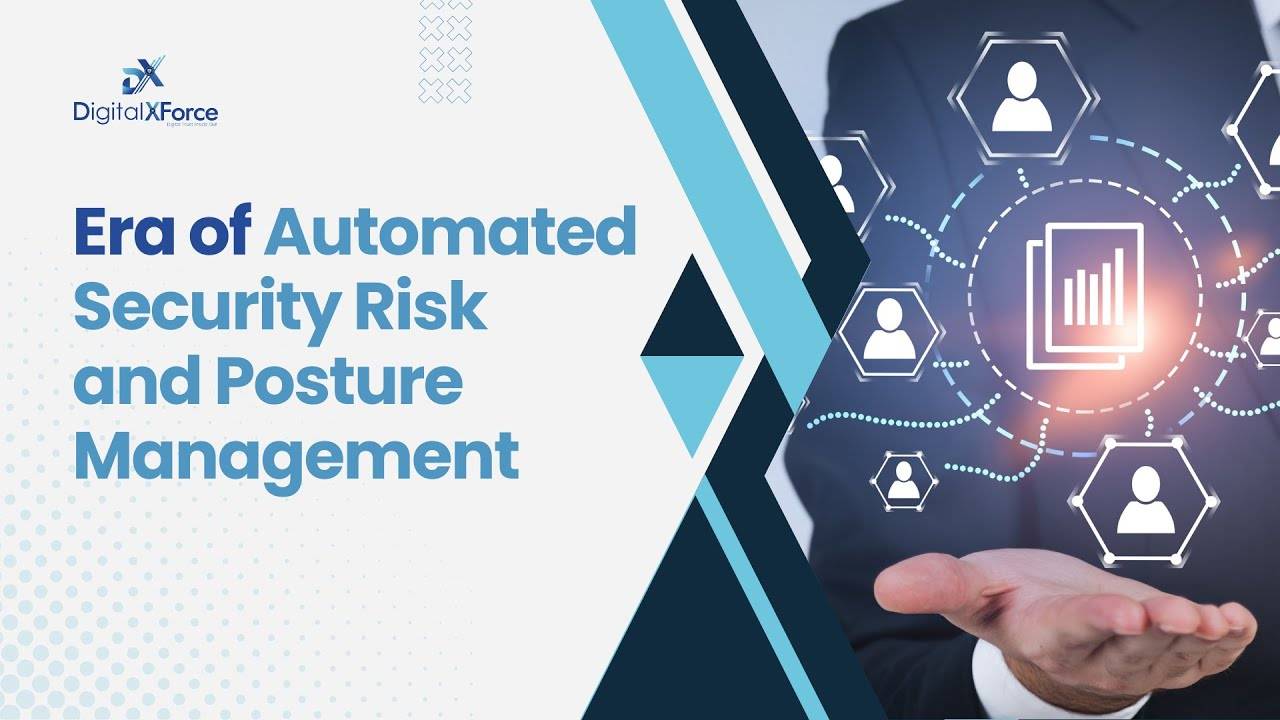
Title banner reading Era of Automated Security Risk and Posture Management with the DigitalXForce logo beside a hand holding connected user icons and a report

Era of Automated Security Risk and Posture Management

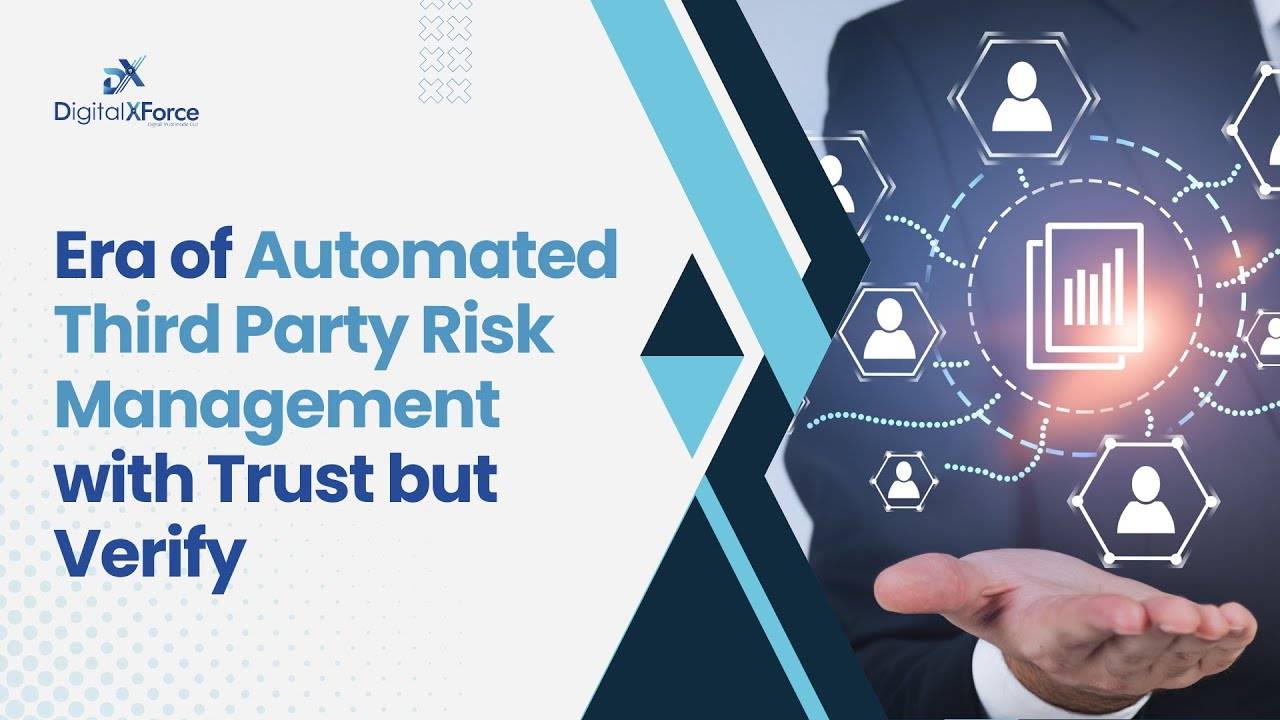
Title banner reading Era of Automated Third Party Risk Management with Trust but Verify, with the DigitalXForce logo beside a hand holding connected user icons and a report

Era of Automated Third Party Risk Management: Trust but Verify

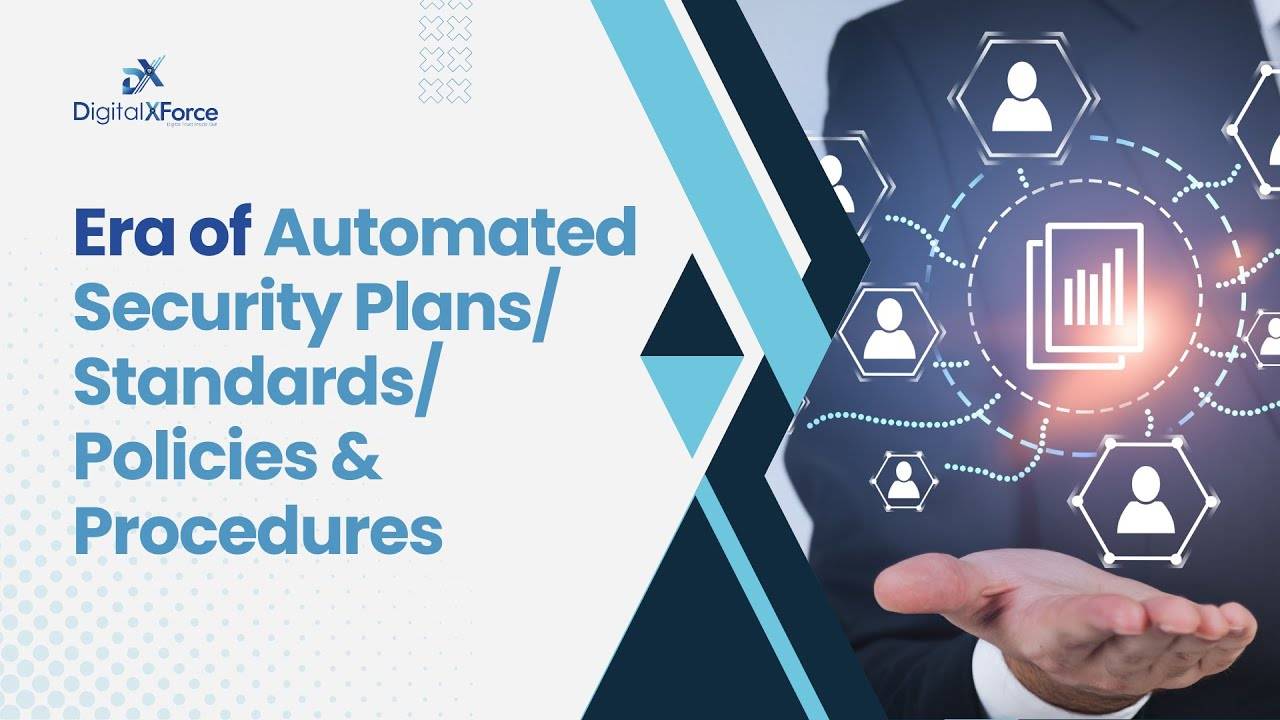
Title banner reading Era of Automated Security Plans, Standards, Policies and Procedures, with the DigitalXForce logo beside a hand holding connected user icons and a report

Era of Automated Security Plans, Standards, Policies and Procedures